

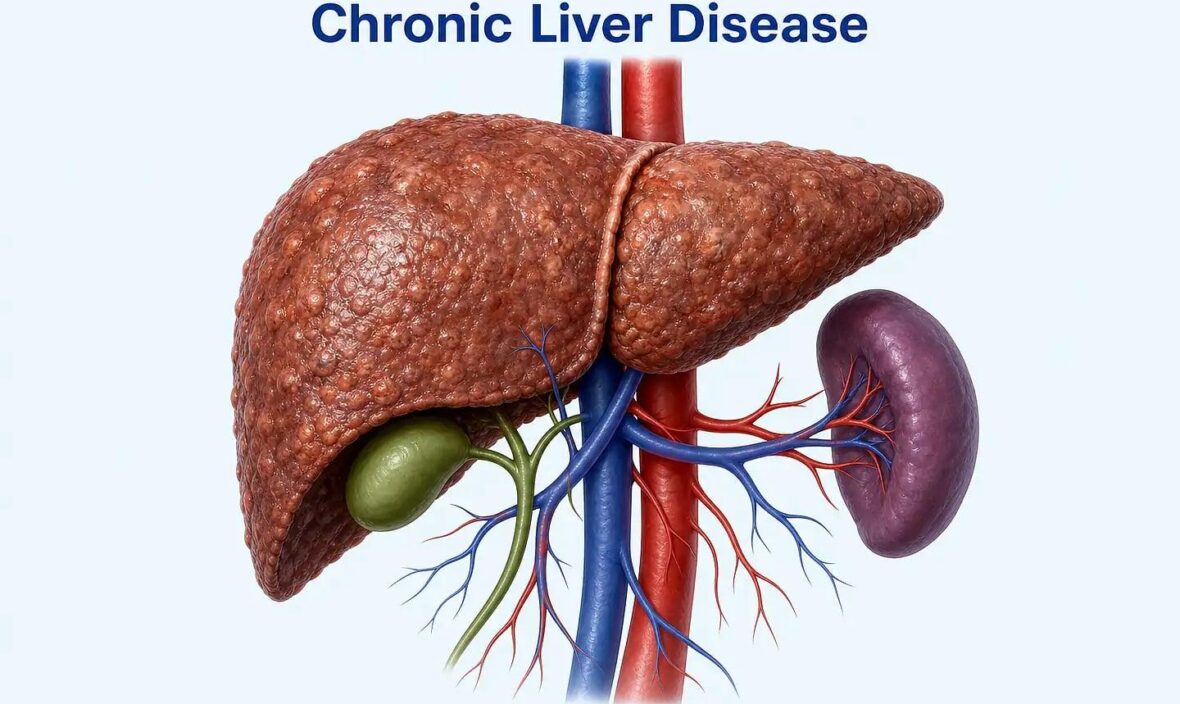
Liver diseases are a broad group of conditions that damage the liver, ranging from mild inflammation to life-threatening cirrhosis and liver failure. Early detection and lifestyle changes can often prevent progression, while advanced cases may require lifelong care or transplantation.
What Are Liver Diseases?
- Definition: Any condition that impairs the liver’s ability to function, including infections, genetic disorders, alcohol-related damage, and fatty liver disease.
- Importance: The liver regulates metabolism, detoxifies harmful substances, produces bile, and supports blood clotting. Damage affects overall health.
⚠️ Common Causes
- Alcohol-associated liver disease (ALD): Long-term heavy drinking leads to inflammation and scarring.
- Viral hepatitis (A, B, C): Infections that inflame and damage liver tissue.
- Non-alcoholic fatty liver disease (NAFLD/MASLD): Linked to obesity, diabetes, and poor diet.
- Autoimmune conditions: The immune system attacks liver cells (autoimmune hepatitis,
ymptoms to Watch
- Jaundice (yellowing of skin/eyes)
- Dark urine, pale stools
- Abdominal pain and swelling
- Fatigue, nausea, loss of appetite
- Easy bruising or bleeding
- Itchy skin without rash
🔍 Stages of Liver Disease
- Hepatitis: Inflammation of liver tissue.
- Fibrosis: Scar tissue begins replacing healthy cells.
- Cirrhosis: Severe, permanent scarring affecting function.
- End-stage liver disease: Liver failure requiring transplant.
🛠️ Diagnosis & Treatment
- Tests: Blood tests, imaging (ultrasound, MRI, CT), liver biopsy.
- Treatment: Depends on cause—may include antiviral drugs, lifestyle changes (diet, exercise, quitting alcohol), medications for complications, or liver transplant in severe cases.
- Prevention: Vaccination for hepatitis A & B, safe alcohol use, healthy weight, avoiding toxins, and regular check-ups.


